AI-Powered Knowledge & Workflow Management Platform – Generalized Project
This project is a Laravel-based AI-driven knowledge and workflow management platform designed to support structured learning, collaboration, and productivity across various domains such as education, corporate environments, training institutions, and professional teams.
The system combines organized access control, AI-assisted interaction, and task visualization into a unified platform that transforms conversations into structured, reusable knowledge.Core Concept
The platform organizes users into structured groups (such as classes, departments, teams, or projects) and provides controlled access to relevant resources. An integrated AI assistant allows users to ask questions, receive contextual responses, and convert those responses into actionable and organized knowledge assets.
Instead of treating AI interaction as temporary chat, the system stores outputs in a structured format that can be edited, refined, categorized, and reused.Key Functional Components
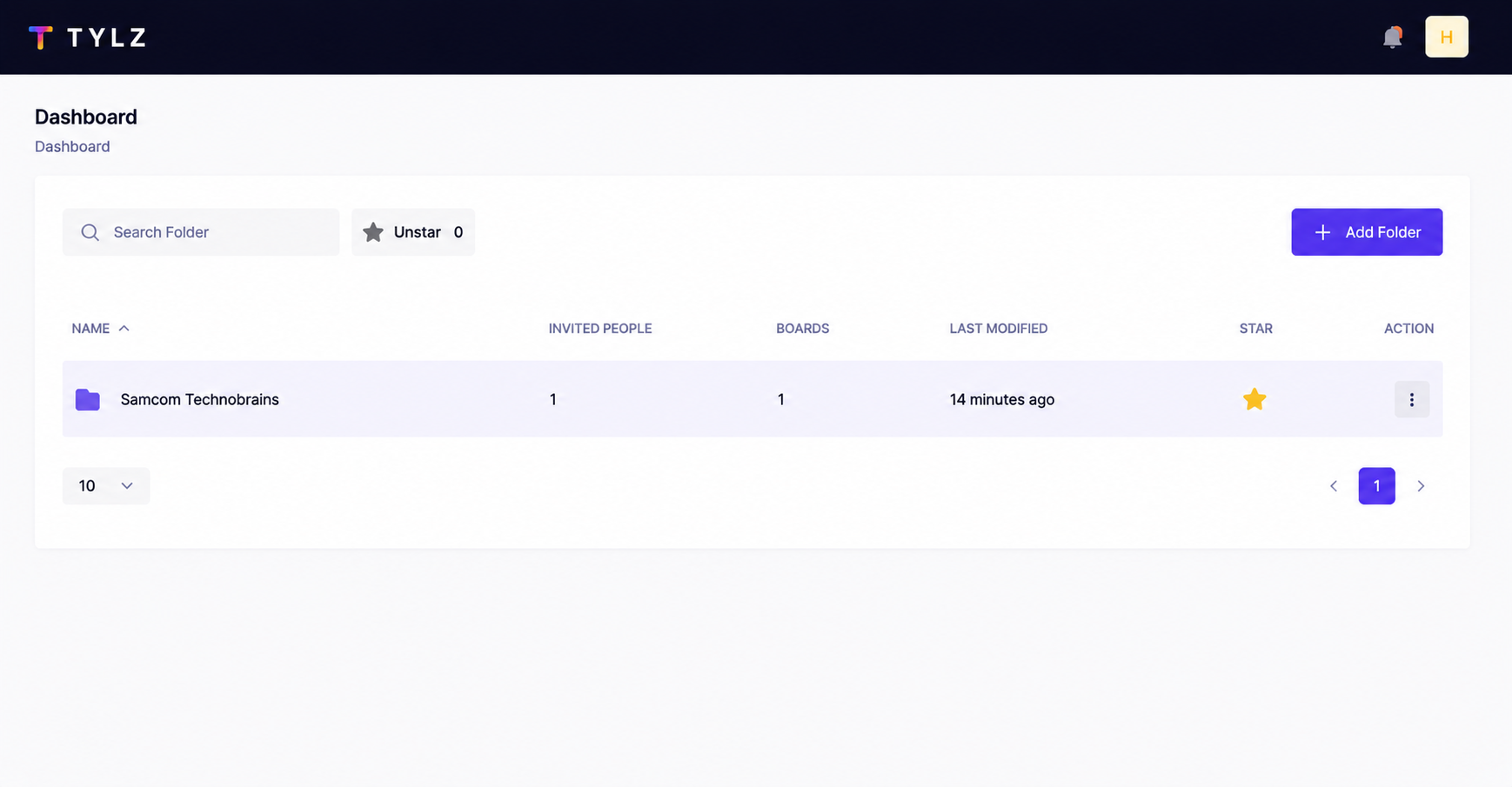
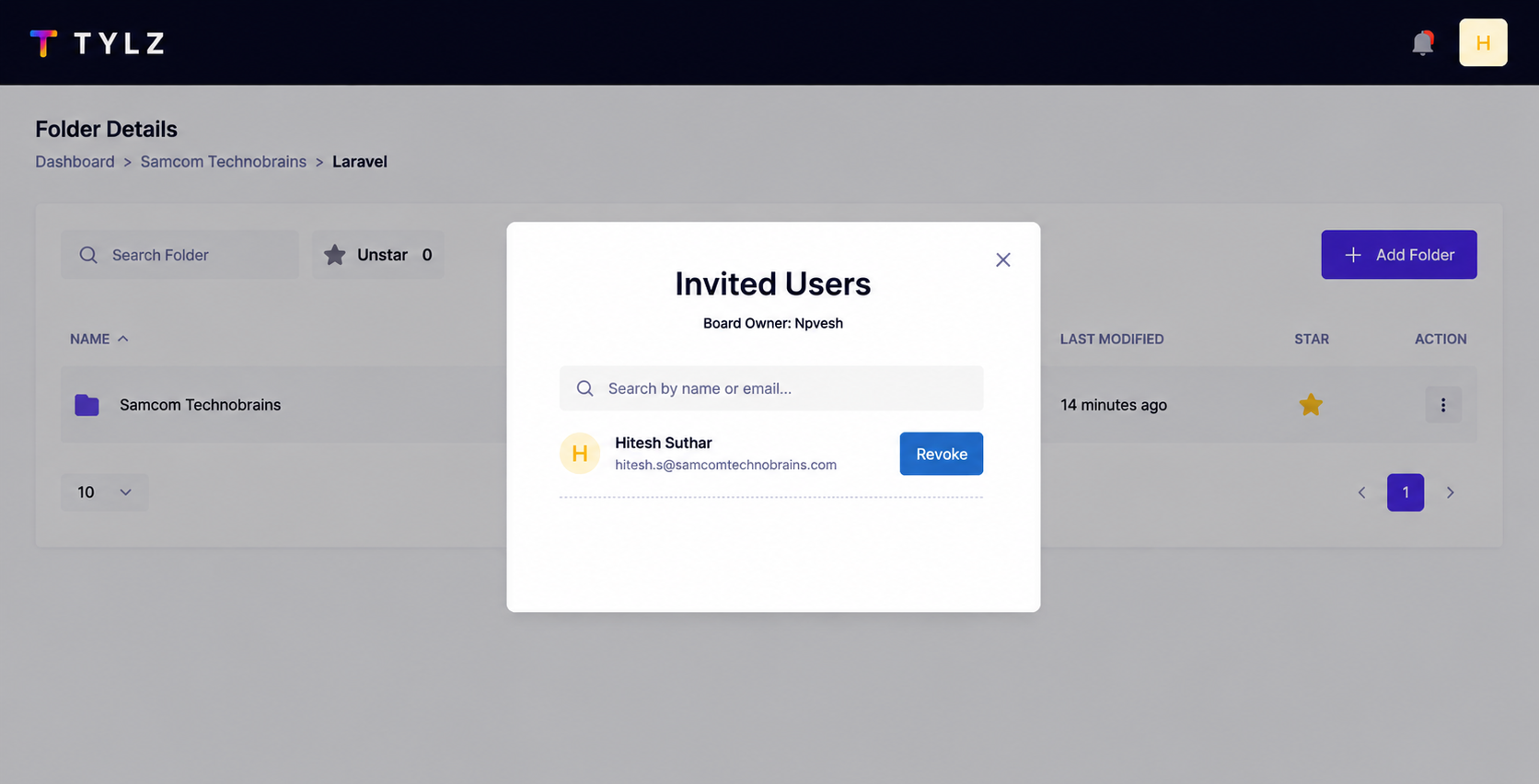
1. Structured Group & Access Management
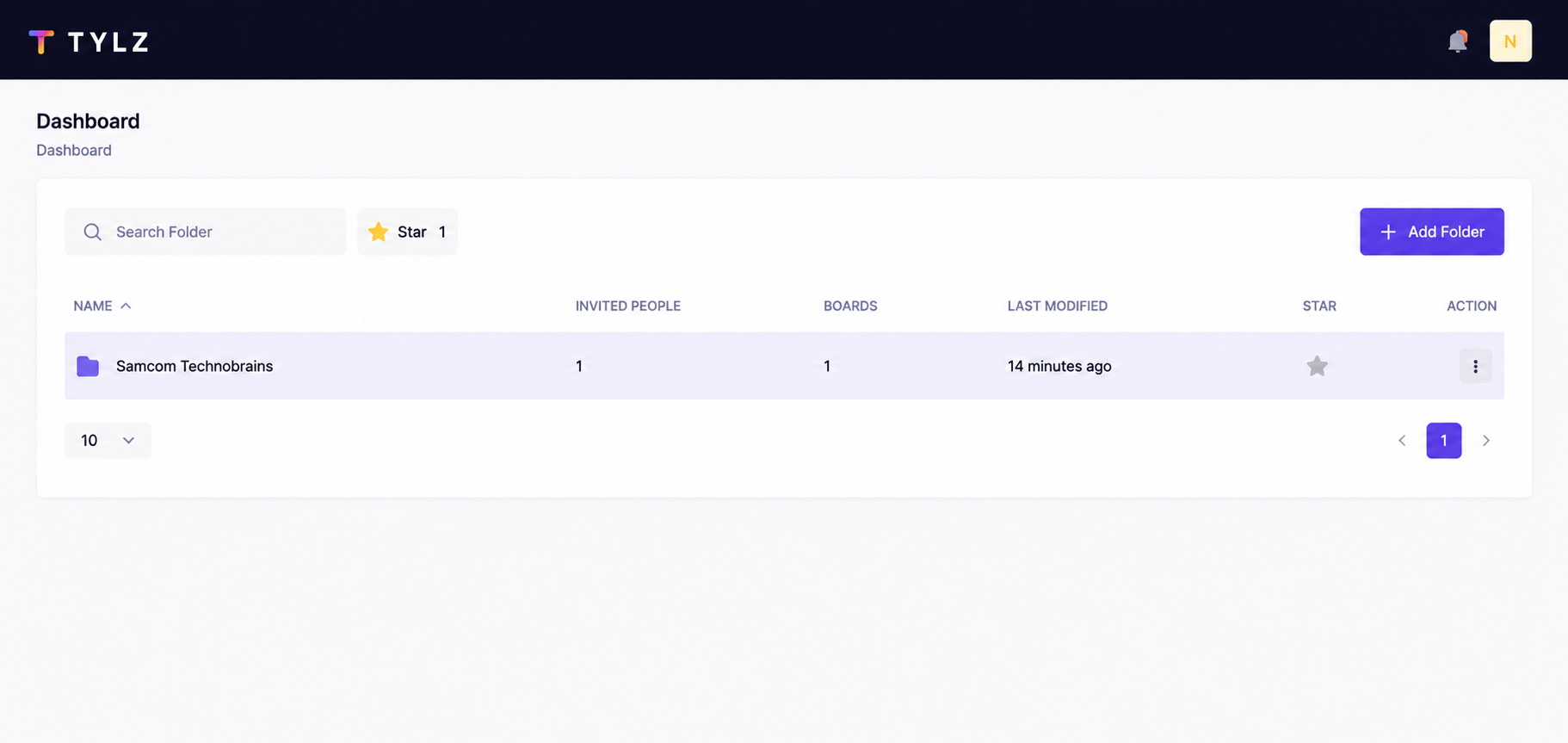
Users are categorized under defined groups (e.g., classes, teams, departments).
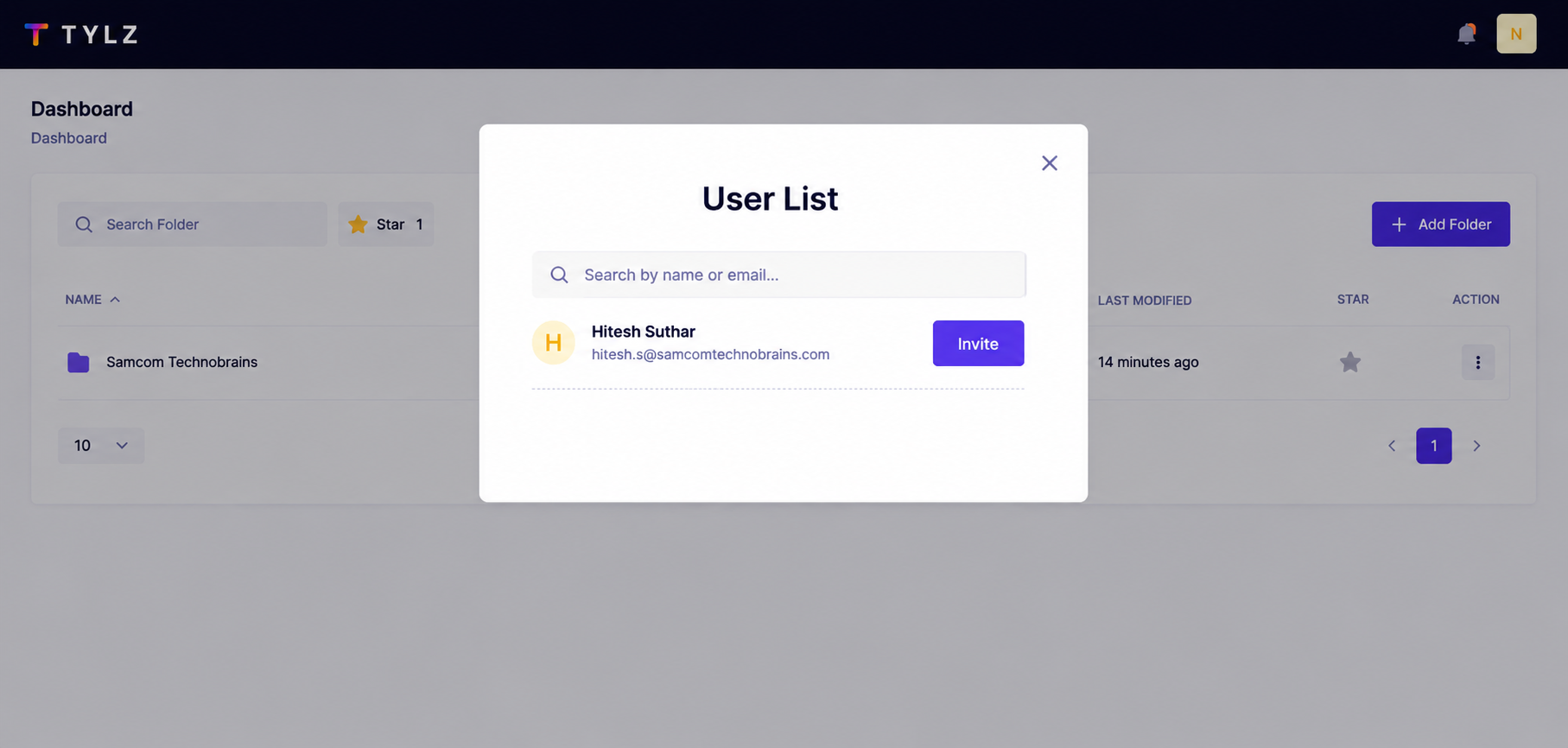
Administrators manage permissions and content access.
Role-based access ensures data privacy and controlled collaboration.
2. AI-Powered Assistance
Users can ask domain-specific questions.
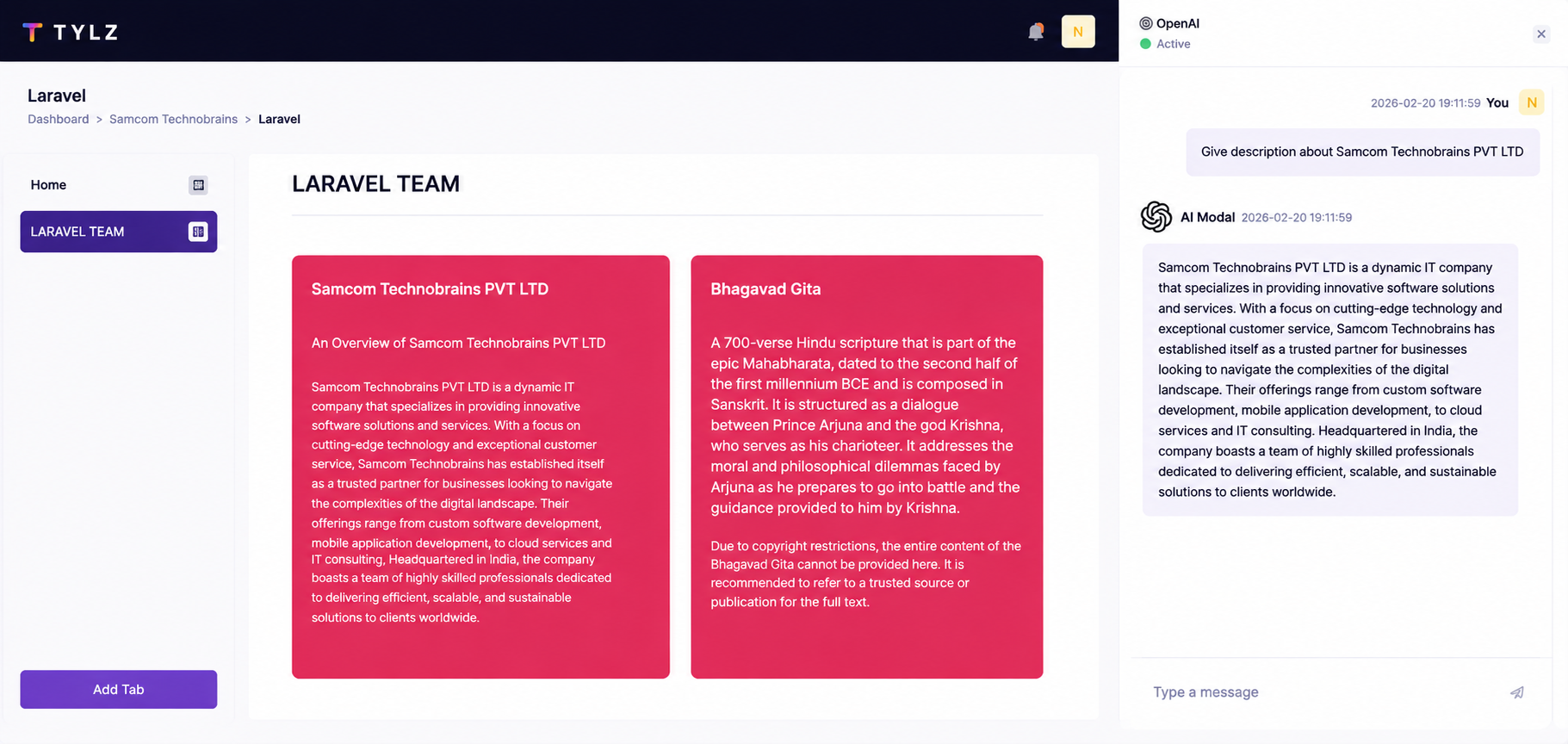
The AI generates structured, contextual responses.
Responses support learning, problem-solving, documentation, and decision-making.
3. Kanban-Style Knowledge Board
Each AI response is stored as a visual card.
Cards can be:
* Edited
* Organized into stages
* Assigned or categorized
* Moved across workflow columns
This enables tracking, refinement, and structured management of generated knowledge.
4. Smart Compilation & Summaries
Selected cards can be compiled into:
* Quick reference notes
* Documentation
* Reports
* Revision materials
* Training resources
The system enables fast preparation for evaluations, meetings, audits, or exams.
Benefits
Converts AI interactions into structured assets
Enhances collaboration and transparency
Improves knowledge retention
Reduces repetitive queries
Supports quick preparation and revision
Centralizes domain-specific information